Fuerteventura Holidays 2026 – Fuerteventura 2026 – Flights, Hotel & Transfers Included
Planning Fuerteventura Holidays 2026 has never been more straightforward. Fuerteventura offers stunning beaches, rich culture, and exceptional dining – all packaged with return UK flights, hotel accommodation, and private transfers. Whether you're looking for a 3-night city break or a full 7-night escape, our Fuerteventura holiday packages are designed to deliver outstanding value with full ATOL & financial protection as standard. Fuerteventura delivers a consistently rewarding experience that brings UK travellers back year after year – and it's easy to understand why.
Why Book Fuerteventura Holidays
Fuerteventura Culture & Heritage
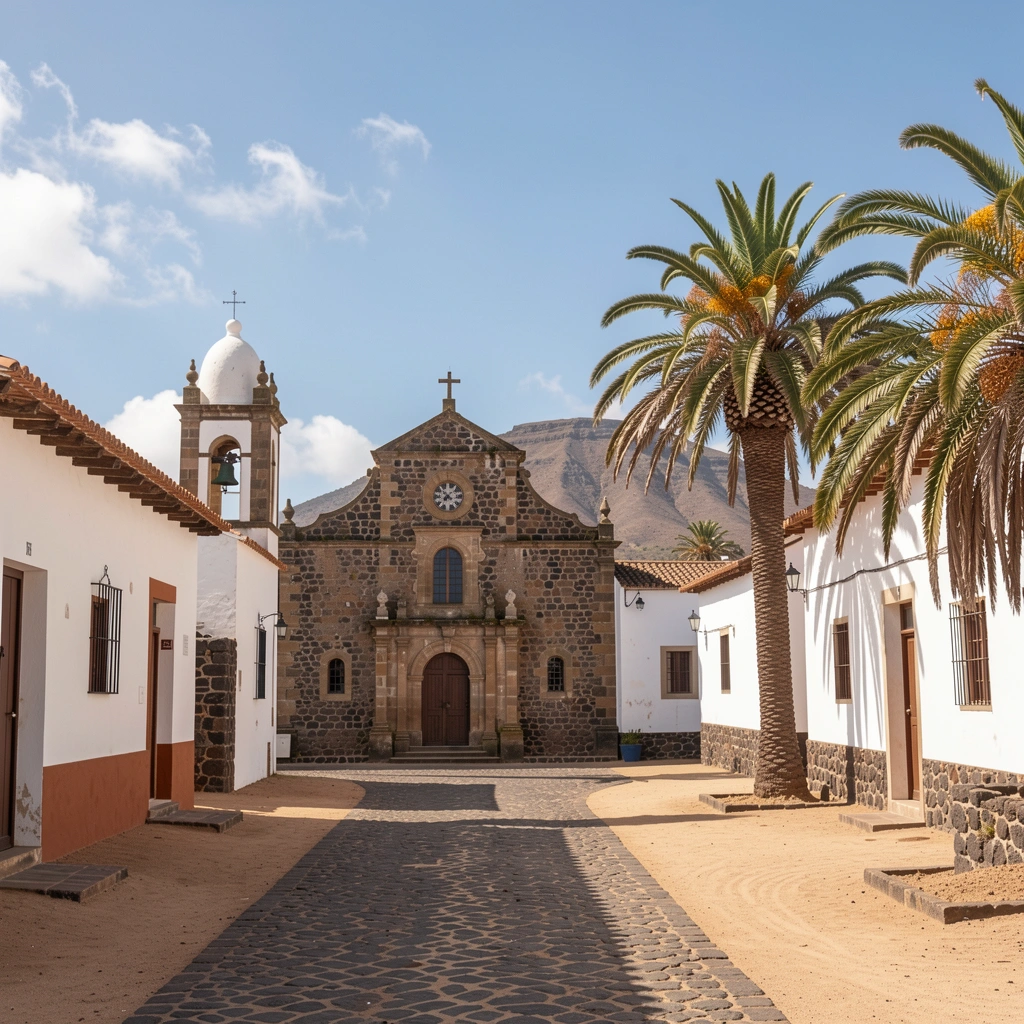
Fuerteventura offers a rich blend of history, architecture, and local culture that rewards every visitor. The city's historic centre, museums, and cultural landmarks provide fascinating context for the region's unique character and traditions.
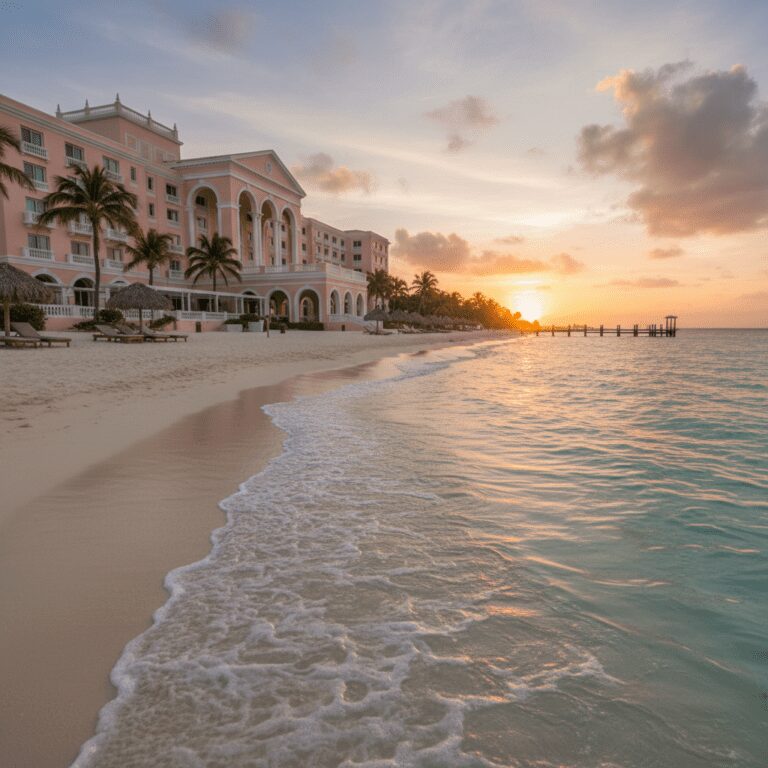
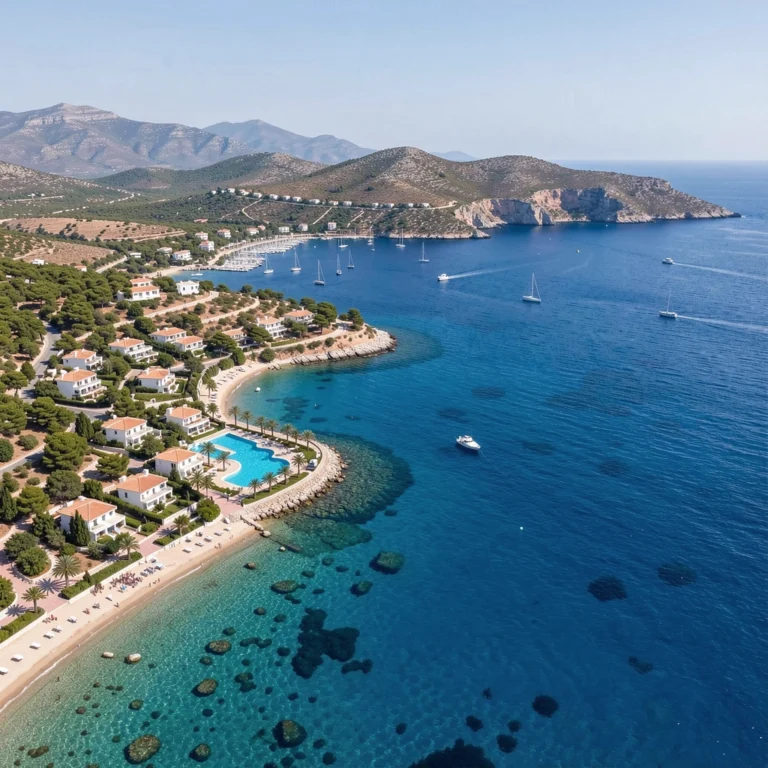
Beaches & Natural Beauty
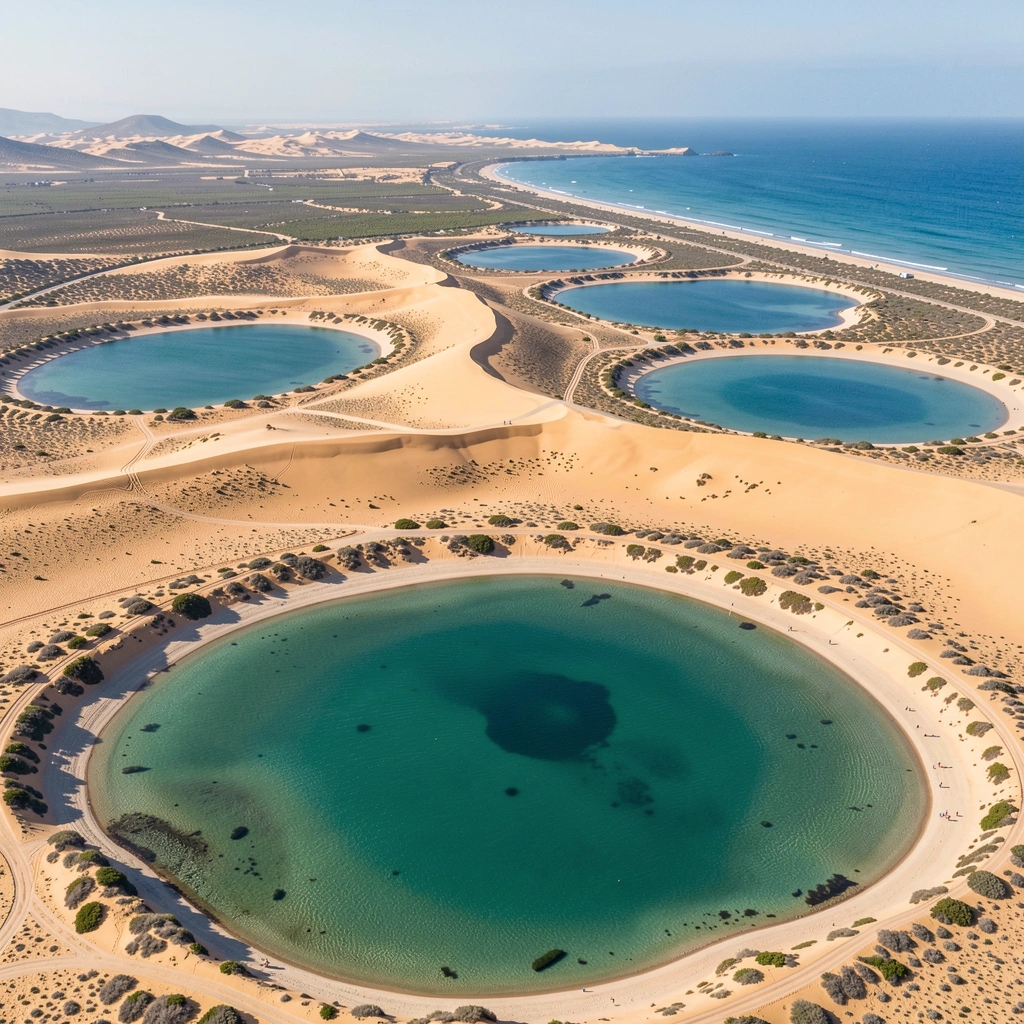
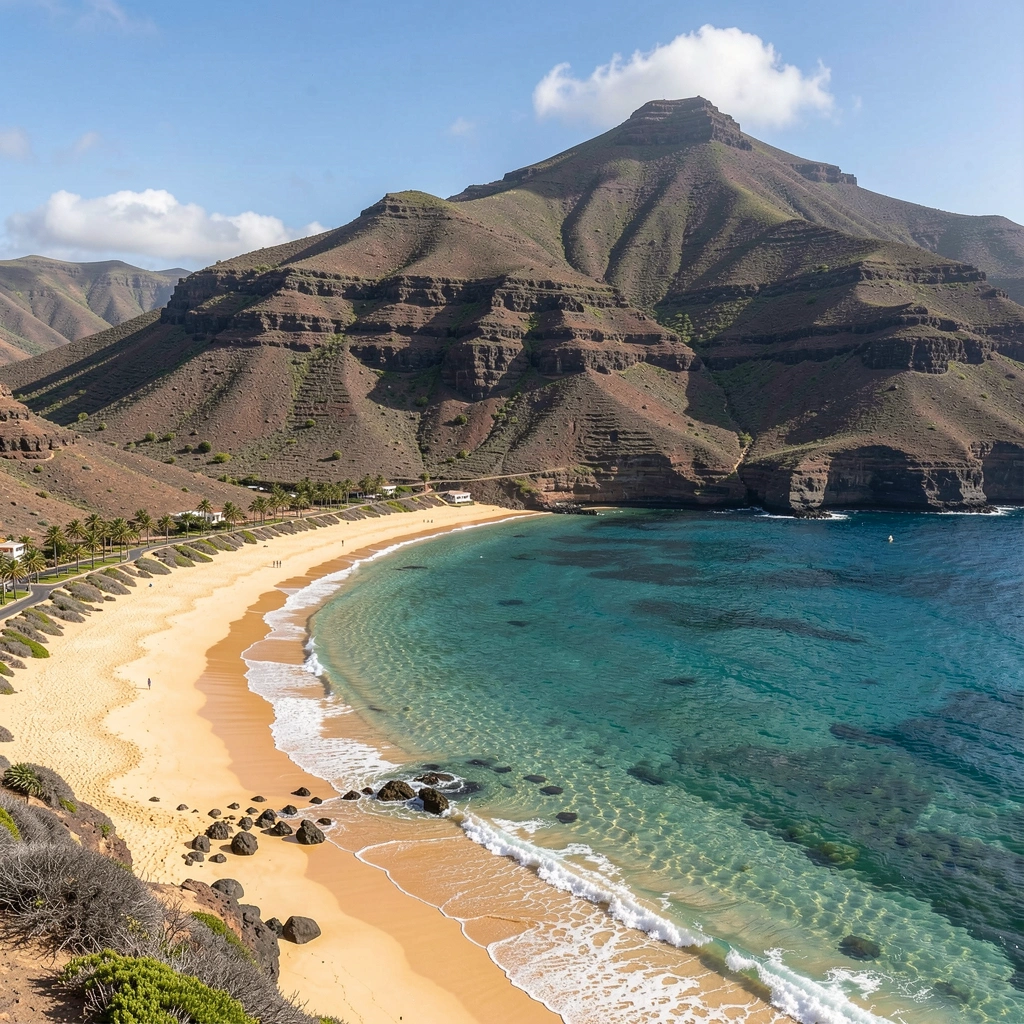
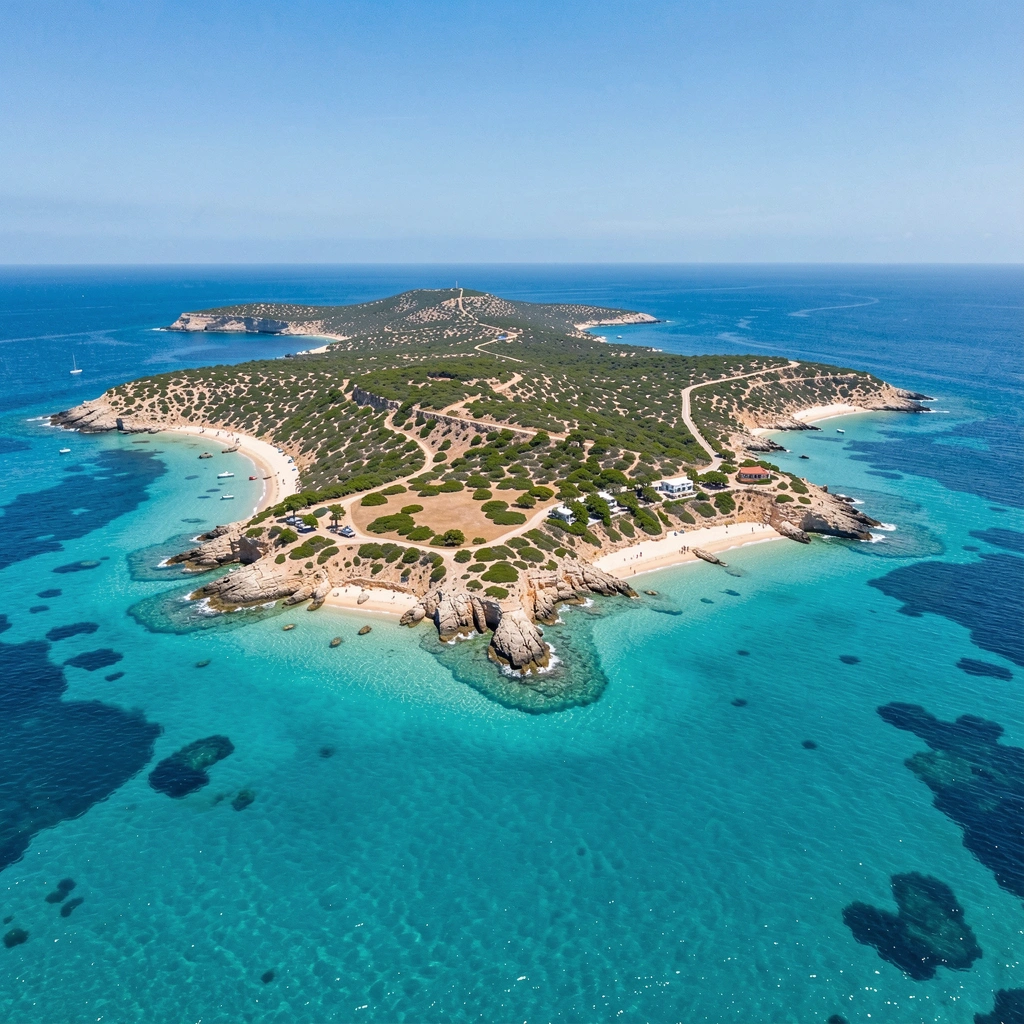
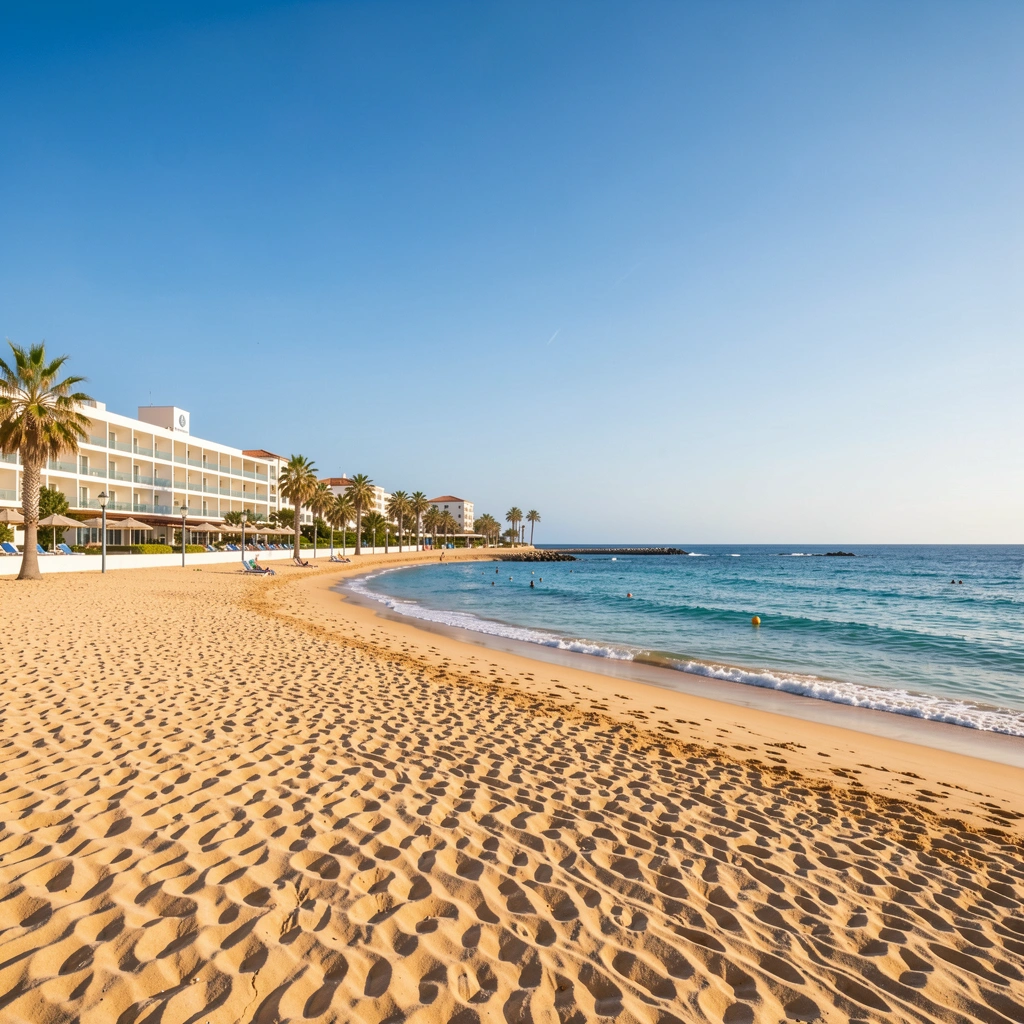
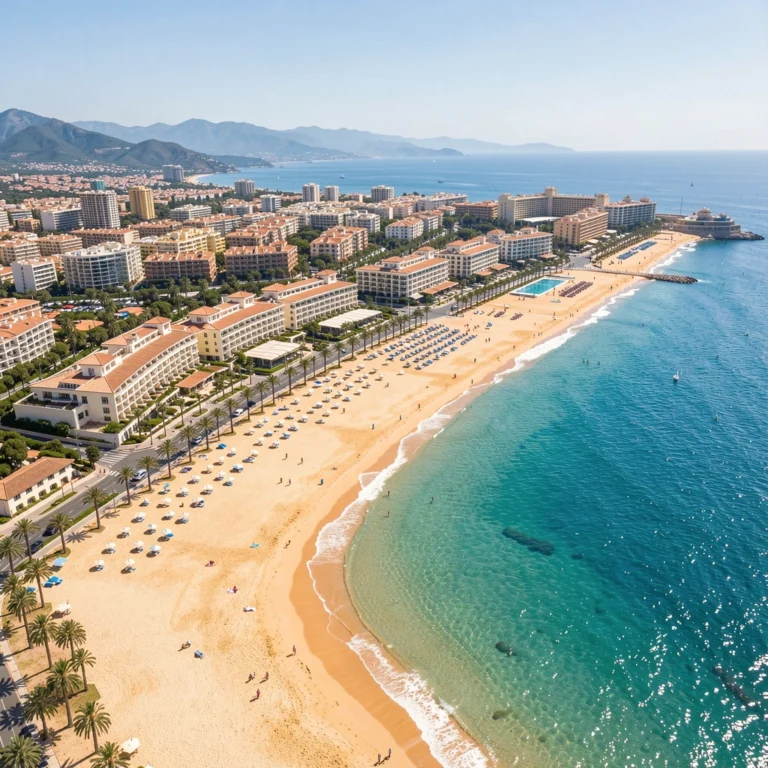
Fuerteventura's coastline and natural surroundings offer outstanding opportunities for swimming, water sports, and outdoor exploration.
Food & Local Cuisine
The local cuisine of Fuerteventura draws on centuries of culinary tradition, with fresh seafood, local produce, and regional specialities served in restaurants ranging from traditional family-run tavernas to celebrated fine-dining establishments.
Value & Accessibility
Fuerteventura represents outstanding value for UK holidaymakers, with excellent flight connections from major UK airports, a straightforward destination, and a wide range of accommodation options to suit every budget and preference.
Best Time to Visit Fuerteventura
Fuerteventura is very dry, with only about 100mm of rain a year, falling mostly between November and February. Highs are around 21°C in January, 23°C in April, 26°C in June and 27–28°C from July to September. The water off Corralejo is the catch for winter visitors: around 18°C in February and March, rising to about 22–23°C from August to October.
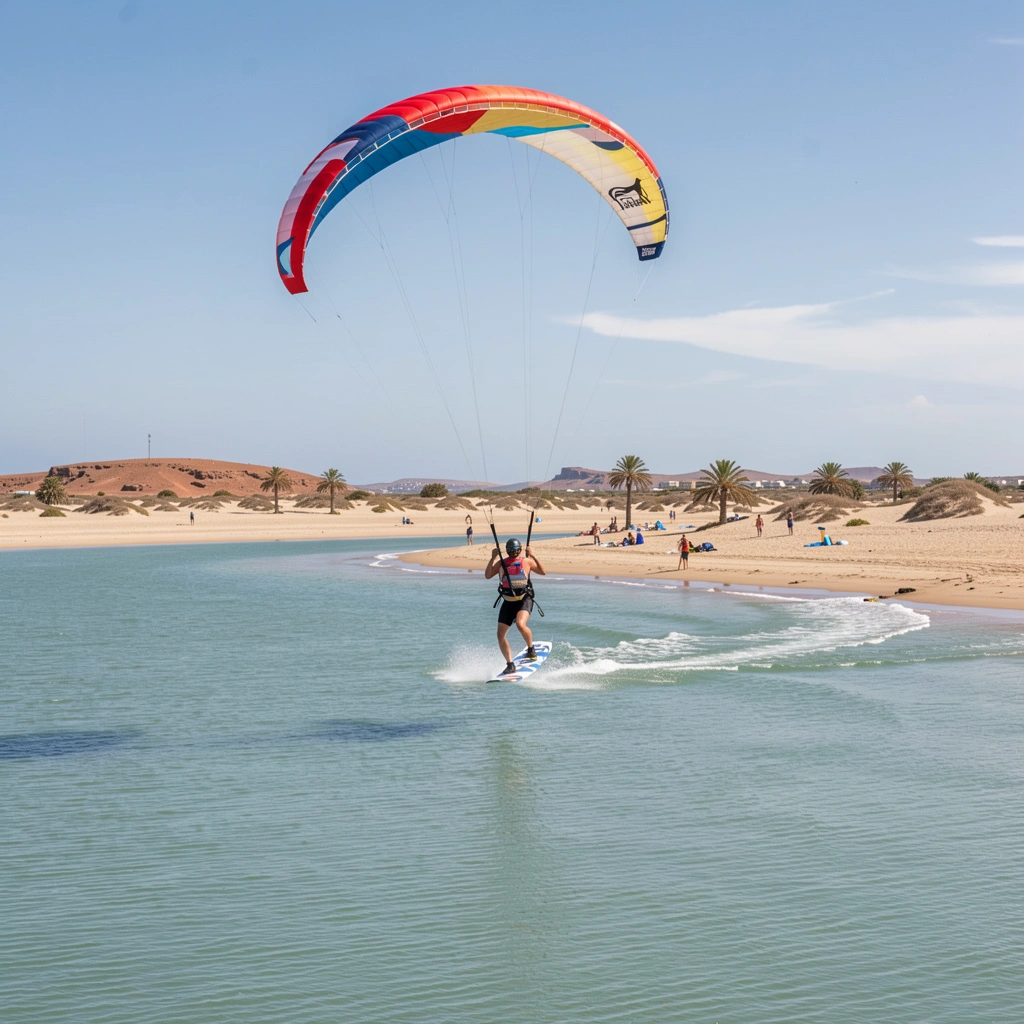
Wind shapes the trip more than rain does. The north-east trade winds blow hardest from June to August, which is great for kitesurfers but means sand blowing across the open beaches on some afternoons. In winter the island also gets occasional calima, a dusty haze blown in from the Sahara.
For a beach holiday, September and October are hard to beat, with the warmest sea, calmer winds and the summer crowds gone. November to March still gives reliable mid-20s winter sun for walks on the dunes and long lunches, but fewer people swim for long.